Zebra Shark (Stegostoma fasciatum)
Zebra Shark — Stegostoma fasciatum
Spotted giant with ocean grace
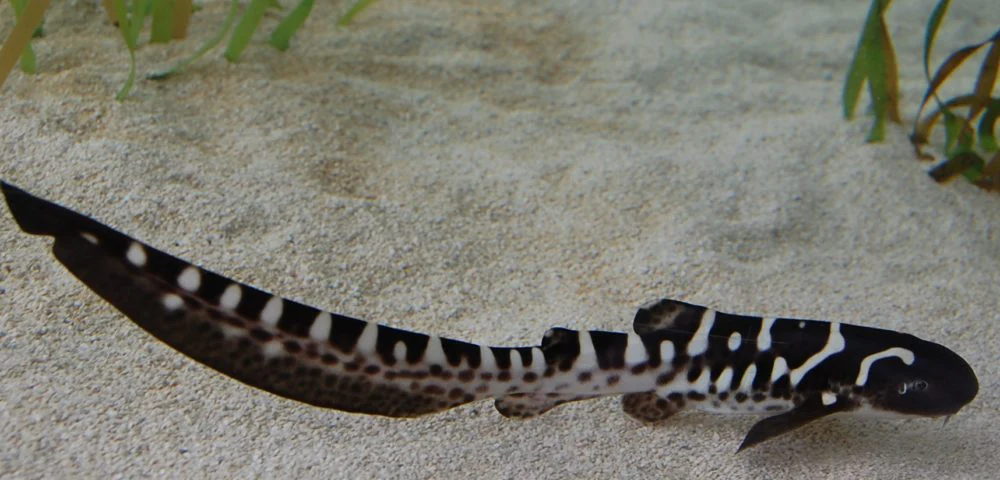
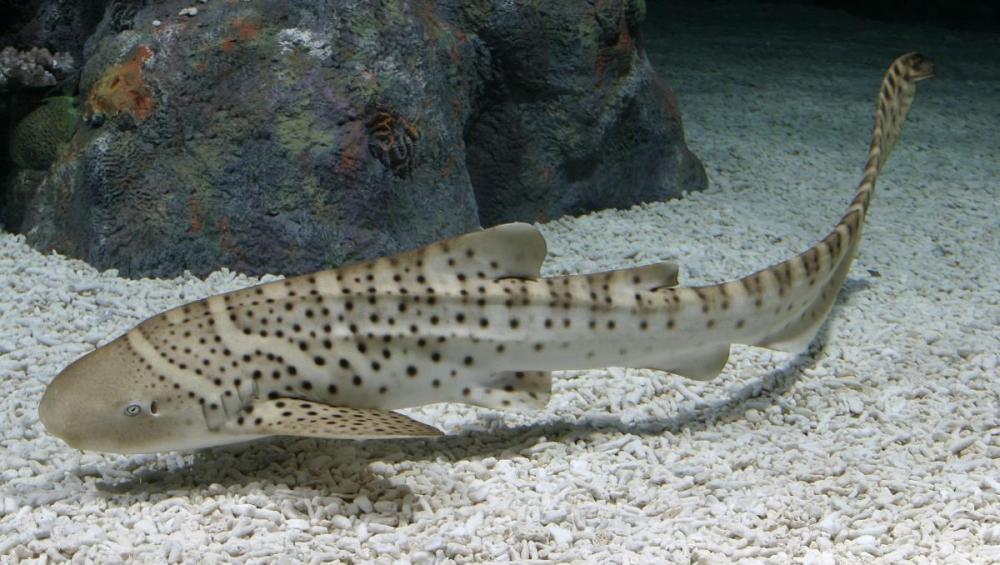
The Zebra Shark is a true marine icon — a slow-moving, bottom-cruising shark known for its dramatic transformation from bold juvenile striping to adult leopard-like spotting. As juveniles, they display dark bodies with bright white stripes. With age, those stripes fade into a pale tan or sandy base covered in distinct dark spots, giving the species its well-known adult appearance.
Native to warm Indo-Pacific coral reef systems, the Zebra Shark is not a fast, open-water predator. Instead, it glides along the ocean floor with smooth, deliberate movements, using its muscular body and elongated tail to maneuver effortlessly. Its small barbels and downward-facing mouth are adapted for hunting crustaceans, mollusks, and small fish along sandy bottoms.
Despite its calm demeanor, this is a massive species, reaching 8–10+ feet in length. It is strictly suited for public aquariums, extremely large private marine systems, or professional facilities. It is not appropriate for standard home aquariums.
Aquarium Setup
-
Minimum Tank Size: 10,000+ gallons (public aquarium scale recommended)
-
Tank Length: 20+ feet of uninterrupted swimming space
-
Substrate: Fine marine sand
-
Flow: Moderate marine circulation
-
Décor: Open bottom areas with rock structures along edges
-
Lighting: Moderate reef-style lighting
-
Filtration: Industrial marine life-support systems required
Tank Mates
Best housed with large, non-aggressive marine species:
-
Large reef-safe fish
-
Rays (system dependent)
-
Other compatible large sharks (in very large systems)
Avoid aggressive fish and species that may nip fins.
Water Parameters
-
Temperature: 74–82°F (23–28°C)
-
Salinity: 1.023–1.025 specific gravity
-
pH: 8.1–8.4
-
Ammonia/Nitrite: 0 ppm
-
Nitrate: As low as possible
-
Water Quality: Extremely stable, pristine marine conditions required
Diet
Carnivorous:
-
Marine fish
-
Squid
-
Shrimp
-
Clams and crustaceans


Description
Zebra Shark — Stegostoma fasciatum
Spotted giant with ocean grace
The Zebra Shark is a true marine icon — a slow-moving, bottom-cruising shark known for its dramatic transformation from bold juvenile striping to adult leopard-like spotting. As juveniles, they display dark bodies with bright white stripes. With age, those stripes fade into a pale tan or sandy base covered in distinct dark spots, giving the species its well-known adult appearance.
Native to warm Indo-Pacific coral reef systems, the Zebra Shark is not a fast, open-water predator. Instead, it glides along the ocean floor with smooth, deliberate movements, using its muscular body and elongated tail to maneuver effortlessly. Its small barbels and downward-facing mouth are adapted for hunting crustaceans, mollusks, and small fish along sandy bottoms.
Despite its calm demeanor, this is a massive species, reaching 8–10+ feet in length. It is strictly suited for public aquariums, extremely large private marine systems, or professional facilities. It is not appropriate for standard home aquariums.
Aquarium Setup
-
Minimum Tank Size: 10,000+ gallons (public aquarium scale recommended)
-
Tank Length: 20+ feet of uninterrupted swimming space
-
Substrate: Fine marine sand
-
Flow: Moderate marine circulation
-
Décor: Open bottom areas with rock structures along edges
-
Lighting: Moderate reef-style lighting
-
Filtration: Industrial marine life-support systems required
Tank Mates
Best housed with large, non-aggressive marine species:
-
Large reef-safe fish
-
Rays (system dependent)
-
Other compatible large sharks (in very large systems)
Avoid aggressive fish and species that may nip fins.
Water Parameters
-
Temperature: 74–82°F (23–28°C)
-
Salinity: 1.023–1.025 specific gravity
-
pH: 8.1–8.4
-
Ammonia/Nitrite: 0 ppm
-
Nitrate: As low as possible
-
Water Quality: Extremely stable, pristine marine conditions required
Diet
Carnivorous:
-
Marine fish
-
Squid
-
Shrimp
-
Clams and crustaceans